AOMEI Partition Assistant
Blue Screen After Update Windows 11: Troubleshooting Guide
Uncover causes and solutions in tackling Windows 11 blue screen issues after updates.

By Irene / Updated on January 19, 2024


Windows 11 updates can sometimes lead to the dreaded blue screen, causing frustration for users. In this comprehensive guide, we'll delve into the intricacies of the issue, explore potential causes, and provide detailed solutions. Let's navigate the troubleshooting journey together.
Understanding the Problem
The Blue Screen After Windows 11 Update: Unveiling the Mystery
The blue screen after a Windows 11 update can be a perplexing issue, disrupting your computing experience. It manifests as an unexpected system crash, often accompanied by error codes and cryptic messages. Understanding the roots of this problem is crucial for effective troubleshooting.
Potential Causes of the Blue Screen:
Driver Incompatibility: Incompatible or outdated drivers can clash with the new Windows 11 update, triggering the blue screen. Graphics and chipset drivers are common culprits.
System File Corruption: Corrupted system files can lead to instability, causing the blue screen. This corruption may occur during the update process or due to pre-existing issues.
Hardware Issues: Underlying hardware problems, such as faulty RAM or a failing hard drive, can surface post-update and result in the infamous blue screen.
Solutions: Resolving the Blue Screen Dilemma
1. Update Drivers Methodically:
a. Graphics Driver: - Navigate to Device Manager. - Locate your graphics driver, right-click, and select "Update driver." - Choose to search for updated driver software automatically.
b. Chipset Driver: - Visit the manufacturer's website for your motherboard. - Download the latest chipset drivers compatible with Windows 11. - Install the drivers following the provided instructions.
2. Repair System Files:
a. Run SFC (System File Checker): - Open Command Prompt as an administrator. - Type sfc /scannow and press Enter. - Allow the scan to complete and follow any suggested repairs.
b. Use DISM (Deployment Image Service and Management Tool): - Open Command Prompt as an administrator. - Type DISM /Online /Cleanup-Image /RestoreHealth and press Enter. - Let the process finish, and restart your system.
3. Check and Test Hardware:
a. Run Windows Memory Diagnostic: - Press Win + R, type mdsched.exe, and press Enter. - Choose to restart and check for memory problems.
b. Check Hard Drive Health: - Use built-in Windows tools or third-party applications to assess the health of your hard drive.
4. AOMEI Partition Assistant Professional: A Reliable Solution
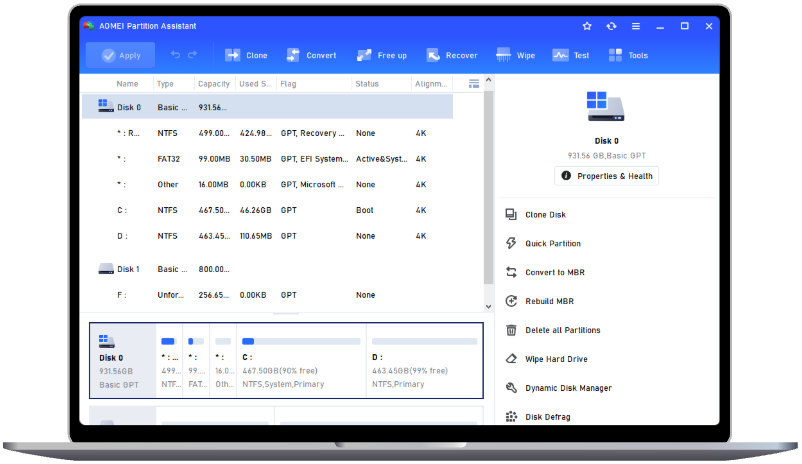
AOMEI Partition Assistant Professional offers robust features for managing partitions, ensuring disk health, and resolving compatibility issues. Its intuitive interface and comprehensive functionality make it a valuable tool for optimizing system performance.
Pros and Features of AOMEI Partition Assistant Professional:
Partition Management: Resize, move, merge, and split partitions effortlessly.
Disk Copy and Clone: Safely migrate your OS or clone your entire disk.
SSD Optimization: Align partitions for optimal SSD performance.
Bootable Media Creation: Create a bootable USB or CD/DVD for easy troubleshooting.
How to Use AOMEI Partition Assistant Professional:
Download and install the software from the official website.
Launch the application and choose the desired operation from the intuitive interface.
Follow the on-screen instructions to complete the selected operation.
Tech Terms Demystified
Before we conclude, let's clarify some tech terms related to our troubleshooting journey:
BSOD (Blue Screen of Death): The infamous blue screen crash, indicating a critical system error.
Driver Incompatibility: Occurs when a hardware driver is not compatible with the operating system or other drivers.
System File Corruption: Damage to essential operating system files, leading to instability.
Deployment Image Service and Management Tool (DISM): A command-line tool for servicing Windows images.
Memory Diagnostic: A tool to identify and resolve memory-related issues.
Tips for a Smooth Troubleshooting Experience
Regular Backups: Ensure you have recent backups before initiating any major updates or troubleshooting steps.
Update Drivers Proactively: Regularly check for driver updates to prevent compatibility issues with new OS updates.
Monitor Event Viewer: Use Event Viewer to analyze error logs and gain insights into the cause of blue screen errors.
Conclusion: Navigating the Blue Screen After Windows 11 Update
Troubleshooting the blue screen after a Windows 11 update requires patience and precision. By understanding the potential causes and implementing detailed solutions, users can reclaim stability and optimize their system's performance. AOMEI Partition Assistant Professional stands as a reliable ally in this journey, offering comprehensive tools for efficient partition management and system optimization.
FAQ
Q: How common is the blue screen issue after a Windows 11 update?
A: The frequency varies, but it can occur due to factors like driver conflicts or system file corruption.
Q: Can AOMEI Partition Assistant Professional resolve blue screen issues caused by Windows 11 updates?
A: While AOMEI Partition Assistant Professional focuses on partition management, it can enhance overall system health, contributing to stability.
Q: Is updating drivers the only solution for the blue screen problem?
A: No, other solutions include repairing system files, checking hardware health, and utilizing specialized tools like AOMEI Partition Assistant Professional.
Q: How often should I run memory diagnostics to prevent blue screen issues?
A: Conduct memory diagnostics periodically, especially before major updates, to catch potential issues early.
Q: Are there specific situations where the blue screen is more likely to occur after a Windows 11 update?
A: Yes, situations like driver incompatibility, system file corruption, or underlying hardware issues can increase the likelihood of encountering the blue screen.