AOMEI Partition Assistant
Easy Guide: How to Reinstall Windows 10 in Simple Steps
Explore a comprehensive guide for reinstalling Windows 10 with clear, straightforward steps for success.

By Irene / Updated on January 29, 2024


Reinstalling Windows 10 is a crucial skill for troubleshooting and system maintenance. Here’s a detailed guide to help you through the process.
Reinstalling Windows 10 may become necessary due to various reasons, such as system corruption, malware infections, or performance issues. In this guide, we explore the steps, solutions, and recommendations to master the Windows 10 reinstallation process effectively.
Understanding the Importance of Reinstalling Windows 10
Reinstalling Windows 10 can resolve persistent software issues, restore system performance, and ensure a clean, optimized operating environment. Common reasons for reinstalling include system crashes, software conflicts, and malware infections.
Common Causes of Windows 10 Issues
- System Corruption: Corrupted system files or registry entries can lead to erratic behavior and performance degradation.
- Malware Infections: Viruses, spyware, and other malicious software can compromise system integrity and stability.
- Outdated Drivers: Incompatible or outdated device drivers can cause hardware malfunctions and system errors.
Solutions for Reinstalling Windows 10
- Backup Important Data: Before proceeding with reinstalling Windows 10, ensure to back up all crucial files and documents to prevent data loss.
- Create Installation Media: Download the official Windows 10 installation media creation tool from Microsoft's website and create a bootable USB drive or DVD.
- Access BIOS Settings: Boot your computer from the installation media and access the BIOS settings to change the boot order and initiate the installation process.
- Follow Installation Prompts: Follow the on-screen prompts to select language, time, and keyboard preferences, and choose the "Custom: Install Windows only" option to perform a clean installation.
- Format System Drive: Format the system drive where Windows 10 will be installed to remove existing partitions and perform a clean installation.
- Complete Installation: Wait for the installation process to complete, and follow the instructions to set up your user account and configure system settings.
Recommendation: AOMEI Partition Assistant Professional
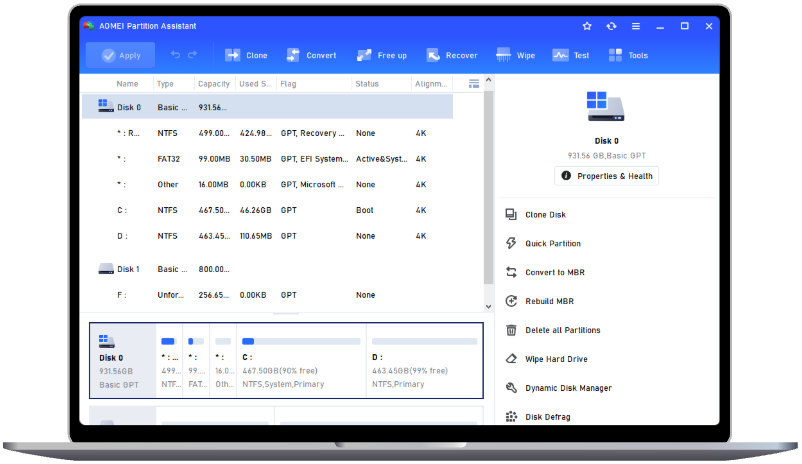
AOMEI Partition Assistant Professional offers advanced partition management features, including partition resizing, merging, and splitting. Its intuitive interface and powerful tools make it an ideal solution for managing disk partitions efficiently.
Tech Terms Demystified
- BIOS: Basic Input/Output System, a firmware interface that initializes hardware components during the boot process.
- Bootable Media: External storage devices capable of booting and running an operating system installation.
- Partition: A section of a hard drive or SSD allocated for storing data and system files.
- Driver: Software that enables communication between hardware devices and the operating system.
- Registry: A database storing configuration settings and options for the Windows operating system.
Tips for Successful Windows 10 Reinstallation
- Ensure Adequate Backup: Back up all essential data and files before initiating the reinstall process to prevent data loss.
- Use Genuine Installation Media: Download the Windows 10 installation tool from Microsoft's official website to ensure authenticity and reliability.
- Stay Patient and Vigilant: The reinstall process may take time, so exercise patience and carefully follow each step to avoid errors.
Conclusion
Mastering the Windows 10 reinstallation process is essential for maintaining system health and resolving software issues effectively. By understanding the causes, following the solutions, and utilizing recommended tools, users can reinstall Windows 10 with confidence and restore system integrity.
FAQs
Q: Is reinstalling Windows 10 safe?
A: Yes, reinstalling Windows 10 is safe and can help resolve various software-related issues effectively.
Q: Will reinstalling Windows 10 delete my files?
A: Yes, reinstalling Windows 10 will remove all files and applications from the system drive. It's essential to back up important data before proceeding.
Q: How long does it take to reinstall Windows 10?
A: The time required to reinstall Windows 10 depends on various factors, including system hardware and installation method, but it typically takes around 30-60 minutes.
Q: Can I reinstall Windows 10 without losing data?
A: No, reinstalling Windows 10 will erase all data on the system drive. It's crucial to back up important files before initiating the reinstall process.
Q: Do I need a product key to reinstall Windows 10?
A: If your computer came with Windows 10 pre-installed, the product key is embedded in the system BIOS and will be automatically detected during the reinstall process. Otherwise, you'll need a valid product key to activate Windows 10 after reinstalling.