AOMEI Partition Assistant
Windows Installation Issues: Troubleshooting Guide
Troubleshoot common installation errors, resolve setup issues, and fix "Windows could not complete the installation" message for seamless setup.

By Irene / Updated on January 30, 2024


Windows installation processes can sometimes encounter errors, with one common issue being the "Windows could not complete the installation" message. This error disrupts the installation process and can be frustrating for users attempting to set up their operating system. In this guide, we'll explore the causes of this error and provide detailed solutions to resolve it.
Understanding the Problem
What Is the "Windows Could Not Complete the Installation" Error?
The "Windows could not complete the installation" error message typically appears during the setup process, indicating that the installation was unsuccessful and cannot proceed further. This error can manifest due to various underlying issues.
Causes of the Error
- Corrupted Installation Files: Incomplete or corrupted installation files can lead to errors during the setup process.
- Hardware Compatibility Issues: Incompatibility between hardware components and the Windows operating system can cause installation failures.
- Disk Space Constraints: Insufficient disk space on the installation drive may prevent Windows from completing the setup process.
Solutions to Resolve the Error
Solution 1: Check Installation Media
- Verify Installation Files: Ensure that the Windows installation files are not corrupted by downloading them from a reliable source.
- Use a Different Installation Media: If the error persists, consider using a different installation USB or DVD.
Solution 2: Verify Hardware Compatibility
- Check System Requirements: Ensure that your hardware components meet the minimum system requirements for installing Windows.
- Update Device Drivers: Update device drivers to ensure compatibility with the Windows operating system.
Solution 3: Free Up Disk Space
- Delete Unnecessary Files: Remove unnecessary files and applications from the installation drive to free up disk space.
- Use Disk Cleanup Tool: Utilize the Disk Cleanup tool to remove temporary files and other unnecessary data.
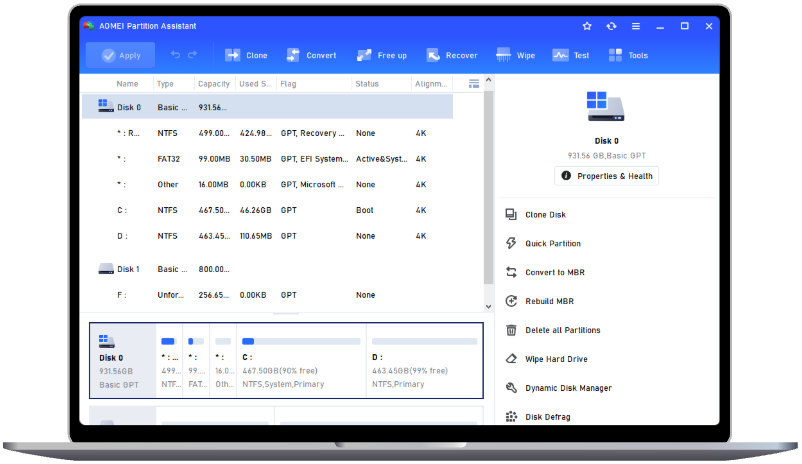
Recommendation: AOMEI Partition Assistant Professional
AOMEI Partition Assistant Professional offers a comprehensive solution for disk management tasks, including partition resizing, disk cloning, and system migration. With its intuitive interface and robust functionality, AOMEI Partition Assistant Professional is an ideal tool for optimizing disk space and resolving installation errors.
Explaining Technical Terms
- Corrupted Installation Files: Files that are damaged or incomplete, resulting in errors during the installation process.
- Hardware Compatibility Issues: Incompatibility between hardware components, such as processors or graphics cards, and the Windows operating system.
- Disk Space Constraints: Insufficient storage capacity on the installation drive, hindering the installation process.
Tips for Successful Installation
- Perform Hardware Compatibility Checks Before Installation: Ensure that all hardware components are compatible with the Windows operating system.
- Create Sufficient Disk Space: Allocate adequate disk space for the installation to prevent errors.
- Use Reliable Installation Media: Use verified installation media to avoid corrupted files and installation failures.
Conclusion
Resolving the "Windows could not complete the installation" error requires a systematic approach to identify and address underlying issues. By following the solutions outlined in this guide and utilizing tools like AOMEI Partition Assistant Professional, users can overcome installation errors and successfully set up their Windows operating system.
FAQs
Q: How can I verify the integrity of Windows installation files?
A: You can verify installation files by checking their digital signatures or using tools like File Integrity Verifiers provided by Microsoft.
Q: What are the minimum system requirements for installing Windows?
A: Minimum system requirements for Windows installation vary depending on the version, but typically include processor, RAM, and disk space specifications.
Q: Can hardware compatibility issues be resolved through software updates?
A: Yes, updating device drivers and firmware can often resolve hardware compatibility issues with the Windows operating system.
Q: Is it possible to install Windows on a partitioned drive?
A: Yes, Windows can be installed on a partitioned drive, but it's important to ensure that each partition meets the minimum space requirements for installation.
Q: How can I create additional disk space during the installation process?
A: You can create additional disk space by removing unnecessary files, uninstalling unused applications, or using disk management tools to resize existing partitions.