AOMEI Partition Assistant
Resolving Request Processing Errors: Troubleshooting Guide
Explore practical solutions to resolve various request processing issues, ensuring seamless functionality and optimal performance.

By Irene / Updated on February 21, 2024


The digital landscape is fraught with challenges, and encountering an error while processing a request can disrupt operations, leading to frustration and inefficiency. Understanding the intricacies of this issue and implementing effective solutions is paramount for seamless functionality.
In the realm of digital operations, errors occurring while processing requests pose significant hurdles. Such errors can stem from various underlying issues, necessitating thorough analysis and strategic troubleshooting. Let's delve into the nuances of this problem, explore its causes, and outline actionable solutions.

Error Occurred While Processing Request
An error occurring while processing a request can manifest in various forms, disrupting the flow of operations and impeding user experience. At its core, this issue indicates a breakdown in the communication and execution processes within digital systems. Understanding the root causes is essential for devising effective solutions.
Identifying Causes of Request Processing Errors
-
Network Instability: Fluctuations in network connectivity or bandwidth limitations can hinder the transmission of data, leading to request processing errors.
-
Server Overload: Insufficient server resources or overwhelming traffic influxes can overwhelm servers, causing request processing failures.
-
Software Bugs: Coding errors or software glitches within applications or systems can result in request processing issues, compromising functionality.
Solutions: Resolving Request Processing Errors
Addressing request processing errors requires a systematic approach and meticulous attention to detail. Implementing the following solutions can help mitigate the impact of such errors and restore seamless functionality:
Solution 1: Network Optimization
-
Identify Network Bottlenecks: Use network monitoring tools to identify areas of congestion or bandwidth limitations.
-
Optimize Network Settings: Adjust router configurations and network settings to prioritize critical data transmission and alleviate congestion.
-
Implement Redundancy: Introduce redundant network pathways and failover mechanisms to ensure continuity of operations in the event of network failures.
-
Upgrade Hardware: Invest in robust networking hardware capable of handling increased traffic loads and maintaining optimal performance.
-
Regular Maintenance: Conduct routine network maintenance and updates to address vulnerabilities and optimize performance.
Solution 2: Server Management
-
Scale Resources: Evaluate server resource allocation and scale resources as needed to accommodate fluctuating traffic demands.
-
Load Balancing: Implement load balancing strategies to distribute incoming traffic evenly across multiple servers, preventing overload.
-
Cache Optimization: Utilize caching mechanisms to store frequently accessed data and reduce the load on server resources.
-
Monitoring and Alerts: Deploy server monitoring tools to track performance metrics and receive real-time alerts for potential issues.
-
Server Maintenance: Schedule regular server maintenance windows to address software updates, security patches, and hardware upgrades.
Solution 3: Software Debugging and Optimization
-
Code Review: Conduct thorough code reviews to identify and rectify potential bugs and coding errors.
-
Testing Protocols: Implement comprehensive testing protocols, including unit testing and integration testing, to identify and address software glitches.
-
Error Logging: Integrate robust error logging mechanisms into software applications to track and diagnose processing errors effectively.
-
Performance Tuning: Optimize software performance through code refactoring, database indexing, and algorithmic improvements.
-
Continuous Improvement: Foster a culture of continuous improvement within development teams, encouraging proactive identification and resolution of software issues.
AOMEI Partition Assistant Professional: Simplifying Disk Management
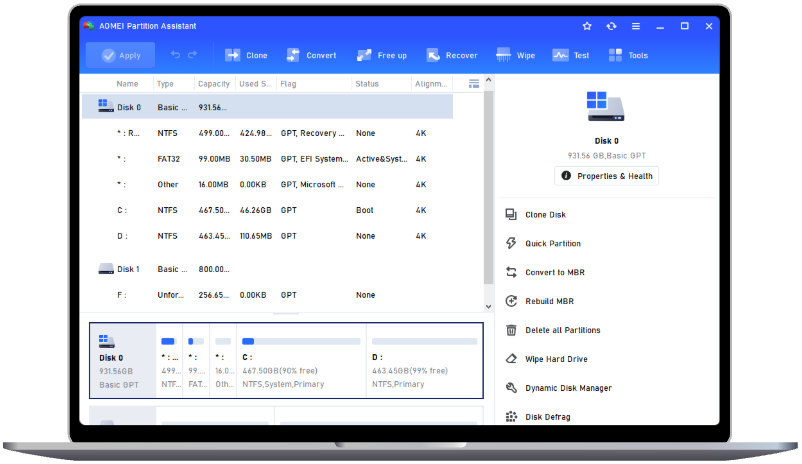
AOMEI Partition Assistant Professional offers a comprehensive suite of disk management tools, allowing users to resize partitions, migrate data, and clone disks with ease. Its intuitive interface and advanced features make it an indispensable tool for optimizing storage resources and maintaining data integrity.
Technical Terms Deciphered
- Network Congestion: Excessive traffic volume leading to delays or failures in data transmission.
- Server Load: The measure of resources consumed by server processes, indicating the level of activity and performance demands.
- Software Debugging: The process of identifying and fixing errors or bugs within software code to ensure proper functionality.
- Cache: A temporary storage mechanism used to store frequently accessed data for quick retrieval and improved performance.
- Load Balancing: The distribution of incoming network traffic across multiple servers to optimize resource utilization and ensure reliability.
Tips for Optimization
- Regular Monitoring: Stay vigilant with network and server monitoring to identify potential issues early.
- Proactive Maintenance: Conduct routine maintenance and updates to prevent system failures and security vulnerabilities.
- Documentation: Maintain detailed documentation of network configurations, server setups, and software changes for future reference.
Conclusion
In conclusion, errors occurring while processing requests can disrupt digital operations and compromise user experience. By understanding the underlying causes and implementing strategic solutions, organizations can mitigate the impact of such errors and ensure seamless functionality across digital systems.
FAQs
Q: What causes request processing errors?
A: Request processing errors can result from network instability, server overload, and software bugs, among other factors.
Q: How can I optimize network performance to reduce request processing errors?
A: Optimizing network settings, implementing redundancy, and upgrading hardware can help improve network performance and mitigate errors.
Q: What steps can I take to debug software and address processing errors? A: Conducting thorough code reviews, implementing testing protocols, and optimizing software performance can help identify and resolve software bugs.
Q: Is AOMEI Partition Assistant Professional suitable for novice users?
A: Yes, AOMEI Partition Assistant Professional features an intuitive interface and user-friendly design, making it accessible to users of all levels of expertise.
Q: How often should I conduct server maintenance to prevent request processing errors?
A: Regular server maintenance, including software updates and hardware upgrades, should be conducted according to a predefined schedule to ensure optimal performance and reliability.