AOMEI Partition Assistant
Solving Windows 11 23H2 Update Failure: 5 Effective Methods
Discover five effective ways to fix Windows 11 23H2 update failure and troubleshoot Windows 11 update issues.

By Irene / Updated on February 23, 2024


Windows 11 brings exciting features and enhancements, but update failures can be frustrating. Explore effective solutions to address update issues and optimize your Windows 11 experience.
Understanding Windows 11 Update Issues
Windows 11 update issues can arise due to various reasons, including compatibility issues, software conflicts, and system errors. Delve into the common challenges users face during Windows 11 updates.
Identifying Common Windows 11 Update Problems
Discover the specific problems users encounter during Windows 11 updates, such as installation failures, update errors, and system crashes. Gain insights into the root causes behind these issues.
Causes of Windows 11 Update Failures
Explore the underlying factors contributing to Windows 11 update failures, including incompatible drivers, insufficient disk space, and network connectivity issues. Understand how each factor impacts the update process.
How to Fix Windows 11 23H2 Update Failure in 5 Ways
Learn effective strategies to resolve Windows 11 23H2 update failure using practical methods and troubleshooting techniques. Implement step-by-step solutions to overcome update challenges.
1. Update Windows 11 Drivers
Ensure all device drivers are up to date to maintain compatibility with the latest Windows 11 updates. Visit the manufacturer's website to download and install the latest drivers for your hardware components.
2. Free Up Disk Space
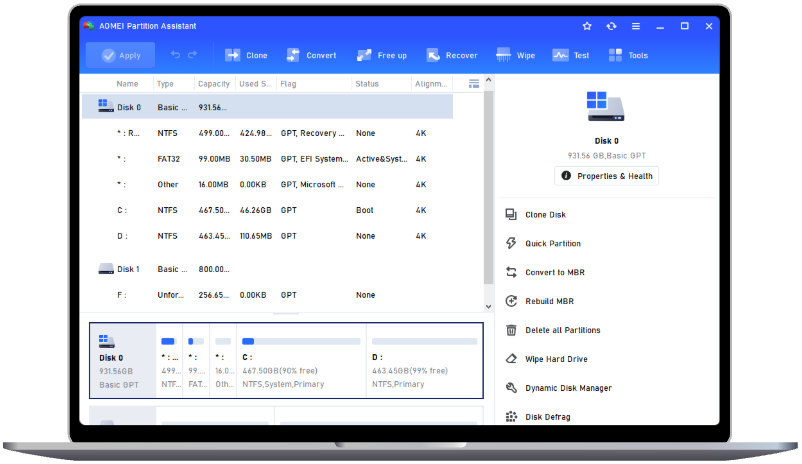
Check your system's available disk space and free up storage capacity to accommodate the Windows 11 update files. Delete unnecessary files and applications to create room for the update installation.
3. Run Windows Update Troubleshooter
Use the built-in Windows Update Troubleshooter to identify and fix common update-related issues automatically. Follow the on-screen instructions to diagnose and resolve update problems effectively.
4. Disable Third-Party Antivirus Software
Temporarily disable third-party antivirus software or security applications that may interfere with the Windows 11 update process. Once the update is complete, re-enable the antivirus software to ensure system protection.
5. Perform a Clean Install of Windows 11
Consider performing a clean install of Windows 11 if all other troubleshooting methods fail to resolve update failures. Create a bootable installation media and follow the installation wizard to reinstall Windows 11 from scratch.
Troubleshoot Windows 11 Update Issues
Explore additional troubleshooting steps and best practices to address a wide range of Windows 11 update problems, including system errors, update compatibility issues, and installation failures.
Optimizing Windows 11 Update Settings
Adjust Windows Update settings to ensure smooth and efficient update downloads and installations. Customize update preferences and scheduling options to suit your specific needs and preferences.
Utilizing System Restore and Recovery Options
Take advantage of Windows' built-in system restore and recovery features to revert to a previous system state in case of update-related issues or system instability. Create system restore points to facilitate easy recovery.
FAQs
-
What should I do if my Windows 11 update fails repeatedly? Perform a thorough system scan for malware and viruses, ensure adequate disk space, and try updating drivers and system files before attempting the update again.
-
How can I check for Windows 11 compatibility before updating? Use the PC Health Check tool provided by Microsoft to assess your system's compatibility with Windows 11 and address any compatibility issues before proceeding with the update.
-
Is it necessary to back up my data before updating to Windows 11? While Windows Update typically preserves user data during the update process, it's always advisable to create backups of important files and documents to prevent data loss in case of unforeseen issues.
-
What should I do if my system becomes unresponsive during the update process? Restart your computer and allow the update process to resume. If the issue persists, try booting into Safe Mode and troubleshooting the update from there.
-
Can I revert to a previous version of Windows if I encounter issues with Windows 11 updates? Yes, you can roll back to your previous version of Windows within a limited time frame after installing Windows 11. Go to Settings > Update & Security > Recovery to initiate the rollback process.
Conclusion
In conclusion, resolving Windows 11 update failures requires patience, diligence, and a systematic approach to troubleshooting. By following the recommended solutions and best practices outlined in this guide, you can overcome update challenges and enjoy a seamless Windows 11 experience.