AOMEI Partition Assistant
How to Stop Windows 10 Update in Progress
We recognize that there are situations when you need to halt a Windows 10 update in progress to keep control over your system. In this detailed article, we will look at efficient ways to temporarily suspend Windows 10 updates and recover control of your laptop.

By Lucas / Updated on January 30, 2024


Introduction
In the ever-evolving landscape of technology, keeping your Windows 10 system up to date is crucial for security and performance enhancements. However, we understand that there are times when you need to stop Windows 10 update in progress to maintain control over your system. In this comprehensive guide, we will delve into effective strategies to halt Windows 10 updates temporarily and regain command of your device.
Understanding Windows 10 Update Mechanism
Windows 10 updates are designed to provide users with the latest features, bug fixes, and security patches. While these updates are generally beneficial, there are instances when you may want to postpone or disable them, such as during crucial work hours or when dealing with limited internet bandwidth.
Using Windows Update Settings
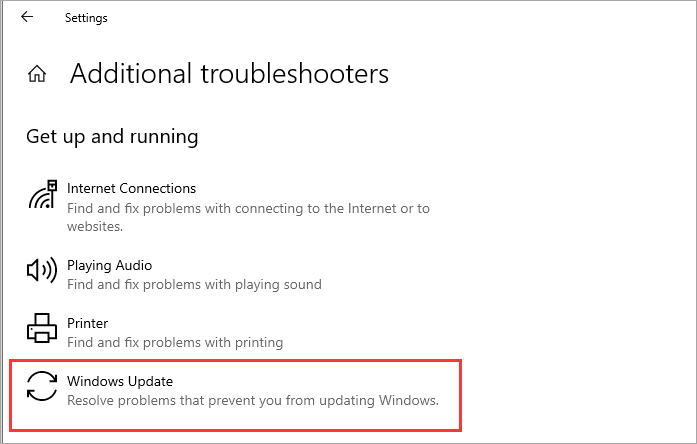
One straightforward method to manage updates is through the Windows Update Settings. Navigate to "Settings" and select "Update & Security." From there, click on "Windows Update" and choose the "Advanced options." Here, you'll find a variety of settings allowing you to pause updates temporarily.
Leveraging Group Policy Editor
For users with Windows 10 Pro, Enterprise, or Education editions, the Group Policy Editor offers a more advanced approach to control updates. Launch the editor by typing "gpedit.msc" in the Run dialog and navigate to "Computer Configuration" > "Administrative Templates" > "Windows Components" > "Windows Update." Enable the "Configure Automatic Updates" policy and choose the update behavior that suits your needs.
Taking Control with Registry Editor
For users with Windows 10 Home edition, the Registry Editor provides a viable alternative. Open the editor by typing "regedit" in the Run dialog and navigate to "HKEY_LOCAL_MACHINE\SOFTWARE\Policies\Microsoft\Windows." Create a new key named "WindowsUpdate" and inside it, add a DWORD value named "AUOptions." Set the value to 2 to notify before download or 1 to disable automatic updates.
Pausing Updates Temporarily
To halt updates temporarily, you can utilize the built-in options. In the Windows Update Settings, you can pause updates for up to 35 days. This allows you to postpone updates without permanently disabling the update service.
Disabling Windows Update Service
For a more decisive action, you can disable the Windows Update service. Open the Run dialog, type "services.msc," and locate the Windows Update service. Right-click on it, select "Properties," and change the startup type to "Disabled." This method provides complete control over when updates occur but requires manual reactivation when necessary.
Monitoring Background Processes
It's essential to keep an eye on background processes that may trigger updates. Task Manager is a valuable tool for identifying and terminating processes related to Windows Update. By staying vigilant, you can ensure that updates don't sneakily start in the background.
Conclusion
In conclusion, managing Windows 10 updates is crucial for maintaining control over your system. Whether you opt for the user-friendly Windows Update Settings, the advanced Group Policy Editor, or the manual approach using Registry Editor, understanding your options empowers you to make informed decisions based on your specific needs.