AOMEI Partition Assistant
Windows 10 Shutdown Fix: Quick Solutions for Hangs and Stuck Issues
Discover quick solutions for Windows 10 shutdown hangs and stuck errors. Troubleshoot and fix issues to ensure a hassle-free shutdown on your system.

By Irene / Updated on January 26, 2024


If you've ever experienced the frustrating scenario of Windows 10 hanging or getting stuck during the shut down process, you know the importance of finding a solution. In this guide, we'll delve into the details of this issue, exploring its potential causes and providing you with effective fixes to ensure a smooth shut down experience.
Understanding the Windows 10 Shut Down Hang Issue
When your Windows 10 system refuses to shut down and gets stuck in the process, it can be attributed to various factors. Let's break down the problem and examine three common causes:
Software Conflicts
One prevalent cause of shut down issues in Windows 10 is conflicting software. When multiple applications or processes are running simultaneously, they might interfere with the shut down sequence, causing the system to hang.
Driver Issues
Outdated or incompatible drivers can lead to instability in the shut down process. If essential drivers are not functioning correctly, Windows 10 may struggle to shut down smoothly.
Background Processes
Sometimes, background processes running in the system can prevent a clean shut down. These processes might include applications running in the background or certain system tasks.
Solutions to Windows 10 Shut Down Freeze
Now that we've identified potential causes, let's explore effective solutions to resolve the Windows 10 shut down hang issue:
Solution 1: Close Unnecessary Programs
-
Check Task Manager:
- Open Task Manager (Ctrl + Shift + Esc) to identify resource-heavy applications.
- End tasks that are not essential.
-
Avoid Fast Startup:
- Disable Fast Startup in Power Options to ensure a clean shut down.
Solution 2: Update Drivers
-
Access Device Manager:
- Right-click on the Start menu and select Device Manager.
- Identify devices with outdated drivers.
-
Update Drivers:
- Right-click on each device, select "Update driver," and follow on-screen instructions.
Solution 3: Adjust Power Settings
-
Access Power Options:
- Go to Control Panel > Power Options.
-
Modify Advanced Power Settings:
- Adjust settings to prevent background processes from interfering with shut down.
Solution 4: Run Windows Troubleshooter
-
Open Settings:
- Navigate to Update & Security > Troubleshoot.
-
Run Troubleshooter:
- Select "Additional troubleshooters" and run the Power troubleshooter.
Solution 5: Utilize AOMEI Partition Assistant Professional
AOMEI Partition Assistant Professional Recommendation
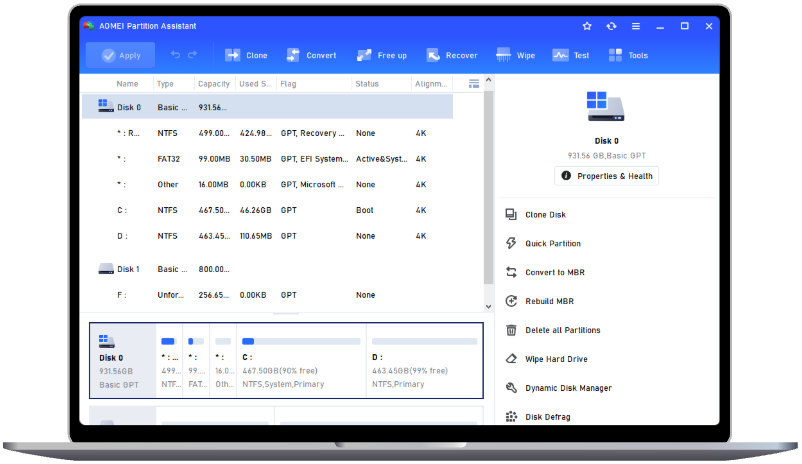
For advanced users seeking comprehensive system management, AOMEI Partition Assistant Professional can be a valuable tool. This software offers:
-
Partition Management: Efficiently manage your partitions with features like resize, merge, and split.
-
Data Migration: Seamlessly migrate your OS or data to a new storage device.
-
Partition Recovery: Recover lost or deleted partitions with ease.
To use AOMEI Partition Assistant Professional:
-
Download and Install:
- Visit the official website and download the software.
- Follow on-screen instructions to install it.
-
Launch the Software:
- Open AOMEI Partition Assistant Professional.
-
Explore Features:
- Familiarize yourself with the software's features and capabilities.
-
Perform Tasks:
- Utilize the software for partition management, data migration, or partition recovery as needed.
Explaining Technical Terms
Before we conclude, let's clarify five technical terms related to the text:
-
Task Manager:
- A system monitor utility that provides information about processes and applications running on a computer.
-
Device Manager:
- A Windows utility that allows users to view and control the hardware attached to the computer.
-
Fast Startup:
- A feature in Windows that combines elements of a traditional shut down with hibernation to improve startup times.
-
Power Troubleshooter:
- A built-in Windows tool that helps identify and fix issues related to power settings.
-
Partition Recovery:
- The process of restoring lost or deleted partitions on a storage device.
Tips to Enhance Shut Down Experience
Before we wrap up, here are three tips to optimize your shut down experience on Windows 10:
Before we wrap up, here are three tips to optimize your shut down experience on Windows 10:
Regular System Maintenance: Perform routine system maintenance tasks, such as updating drivers and checking for Windows updates.
Limit Startup Programs: Minimize the number of programs set to start with Windows to reduce potential conflicts during shut down.
Monitor Background Processes: Keep an eye on Task Manager to identify and address resource-intensive background processes.
Conclusion
In conclusion, dealing with a Windows 10 hang or freeze during shut down can be frustrating, but with the right solutions, you can ensure a smooth experience. Follow the provided fixes, explore the capabilities of AOMEI Partition Assistant Professional, and implement our tips to enhance your shut down process.
FAQs - Frequently Asked Questions
Q: Why does my Windows 10 hang during shut down? A: Windows 10 may hang during shut down due to software conflicts, driver issues, or background processes. Explore solutions to address these issues.
Q: Can I use AOMEI Partition Assistant Professional for routine system maintenance? A: While AOMEI Partition Assistant Professional is primarily for partition management, it complements routine system maintenance by offering advanced features.
Q: Are there alternatives to AOMEI Partition Assistant Professional? A: Yes, alternatives include EaseUS Partition Master and MiniTool Partition Wizard. Each has its features, pros, and cons.
Q: How often should I update my drivers on Windows 10? A: Regularly check for driver updates and update them as needed. Consider monthly checks for optimal system performance.
Q: Is Fast Startup essential for Windows 10? A: Fast Startup is optional and can be disabled if you encounter shut down issues. Experiment with enabling or disabling based on your system's performance.
If you found this guide helpful, consider sharing it with others facing similar issues. For more in-depth solutions, explore our recommended software and tips for an optimized Windows experience.