AOMEI Partition Assistant
When Should I Replace My HDD? [Full Guide]
When should I replace my HDD? This article offersa dependable solution for cloning your existing HDD to an SSD, allowing you to replace an old, slow, or smaller drive with a new one while keeping your operating system and data intact.

By Hedy / Updated on March 25, 2026


When should I replace my HDD?
A failing hard drive often gives off subtle warnings long before it completely stops working. Most drives last anywhere from three to ten years, but once they approach the end of their life or begin to malfunction, system performance can suffer. Slow response times, frequent errors, and a constantly full disk are all red flags that your HDD may need to be replaced.
More specifically, any of the following signs can signal that your hard drive is reaching its final stage:
1. Physical failure: Unusual noises like clicking or grinding, excessive heat, system freezes, and unexpected blue screen errors are classic indicators that the drive’s hardware is failing.
2. Data corruption: Frequent error messages, disappearing files, bad sector warnings, or repeated system crashes can point to a corrupted drive. Malware infections that damage files can worsen this issue and accelerate the need for replacement.
3. Insufficient disk space: When the drive is cluttered and constantly running out of storage, programs slow down, documents become difficult to access, and the system may freeze. This often means it’s time to either clear space or replace the drive entirely.
How to replace HDD without reinstalling Windows
You can swap your hard drive for an SSD without reinstalling Windows by cloning the old drive and replacing it directly. The process involves copying every piece of data from your current HDD to the new SSD, then removing the original drive and installing the SSD in its place.
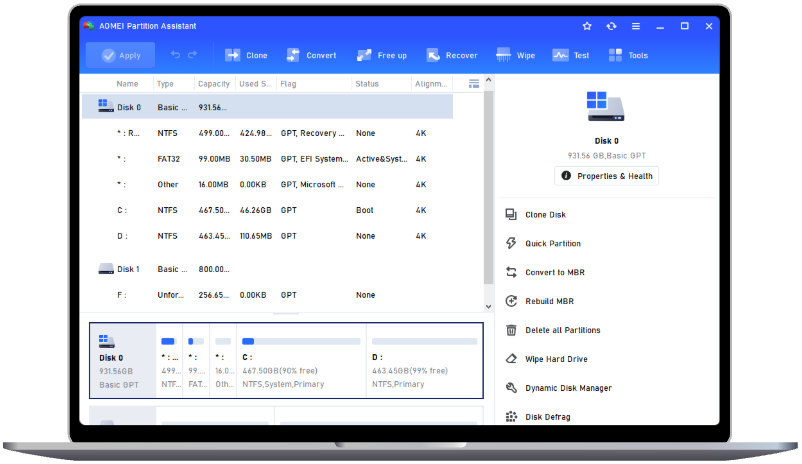
To perform this smoothly, a reliable disk cloning tool is essential. AOMEI Partition Assistant is a highly recommended option for this task, providing a safe and efficient way to duplicate your drive.
AOMEI Partition Assistant allows you to create a complete, sector-by-sector copy of your existing HDD onto an SSD without any risk of data loss. It works with both HDDs and SSDs from various manufacturers and is fully compatible with all Windows versions.
This tool leverages the full capabilities of your hardware to deliver a 100% identical copy of your data, ensuring a seamless transition to the new drive without altering or damaging your existing files.
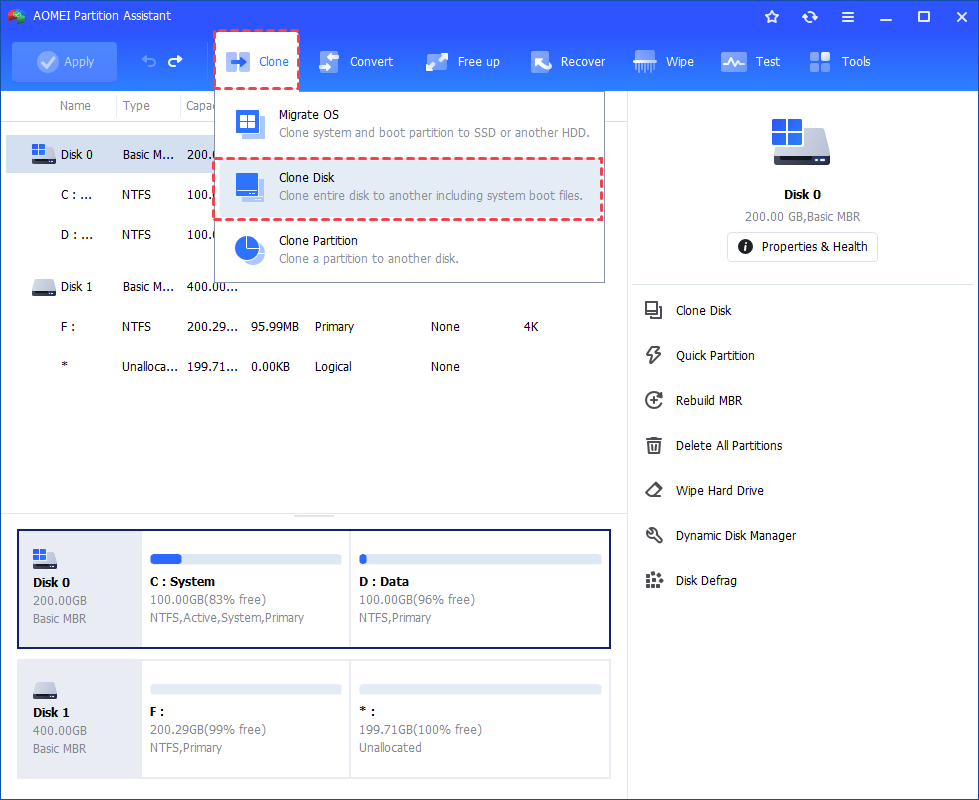
Step 1. Install and open AOMEI Partition Assistant. Go to the "Clone" option and "Clone Disk".
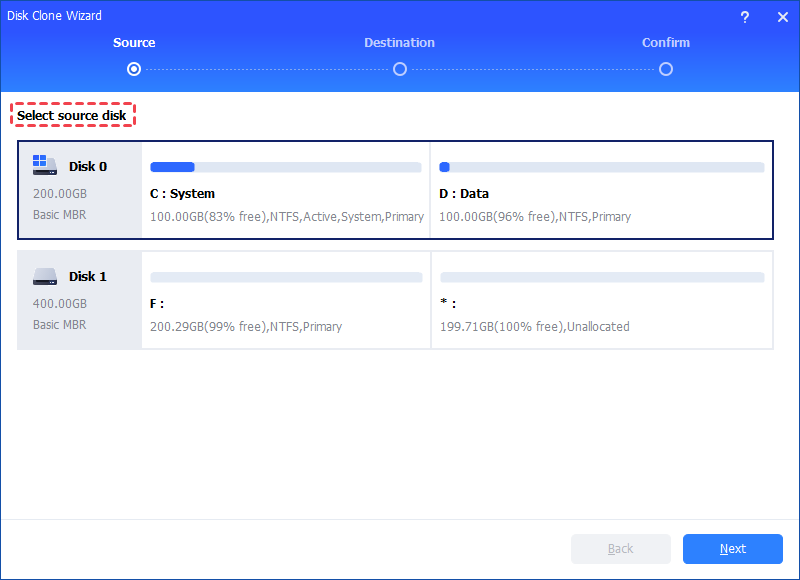
Step 2. Choose the hard disk that you need to clone as the source disk and click "Next".
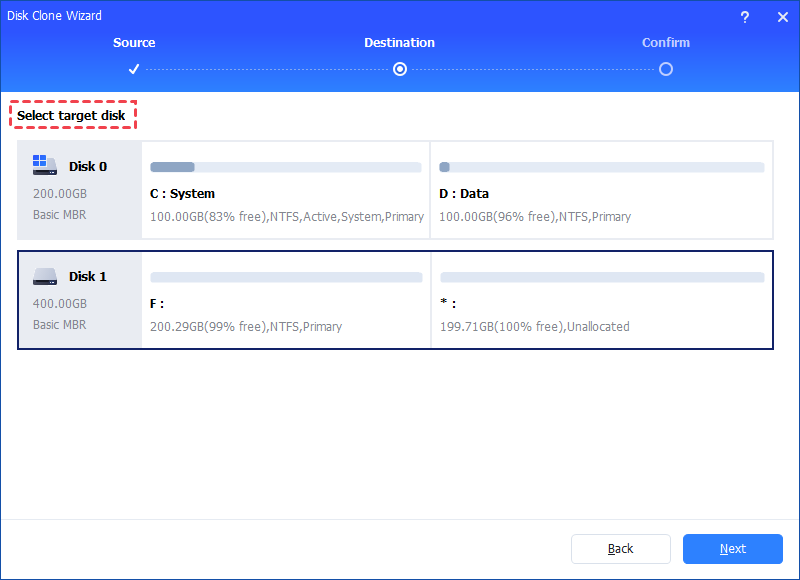
Step 3. Select another drive as the destination disk, and then click "Next".
Step 4. Then, you can check the source and destination disk in the next window or change to "Sector to Sector clone", and click the "Confirm" button to continue if there is no problem.
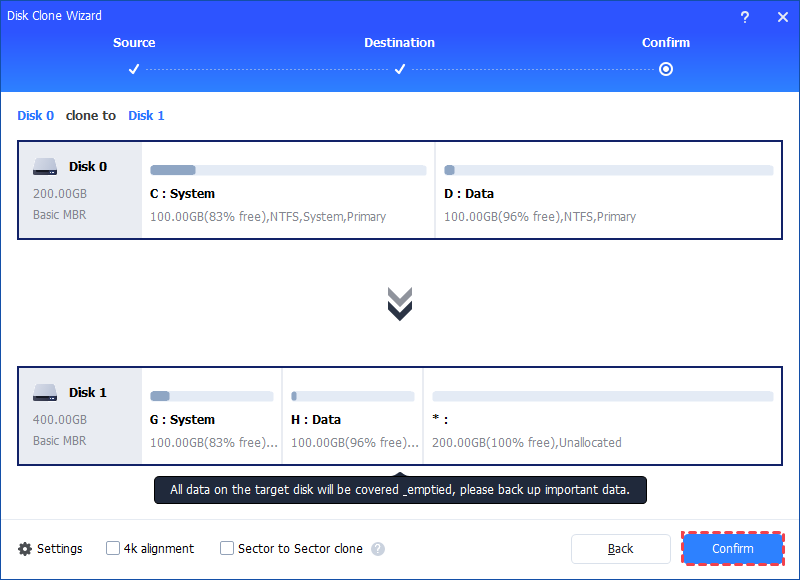
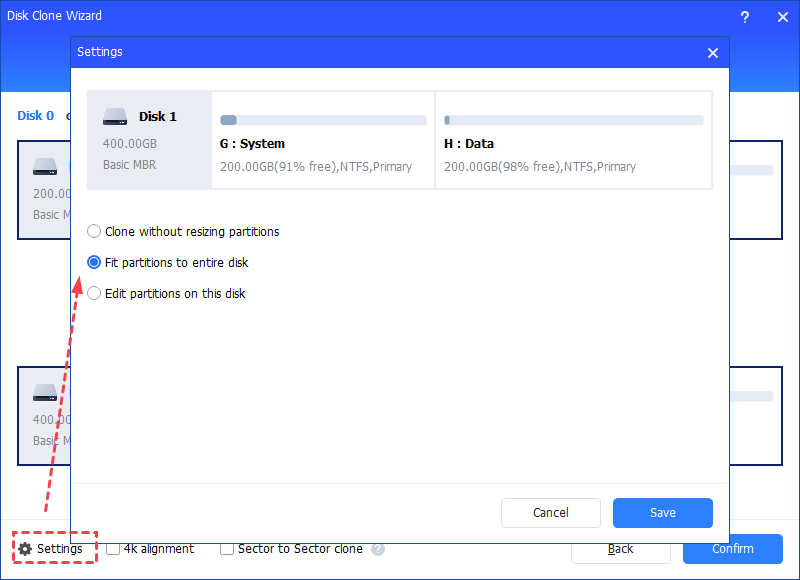
Here, you can also click the "Settings" button to adjust the partition size on the destination disk or tick "4k alignment" to improve the reading and writing speed of the SSD.
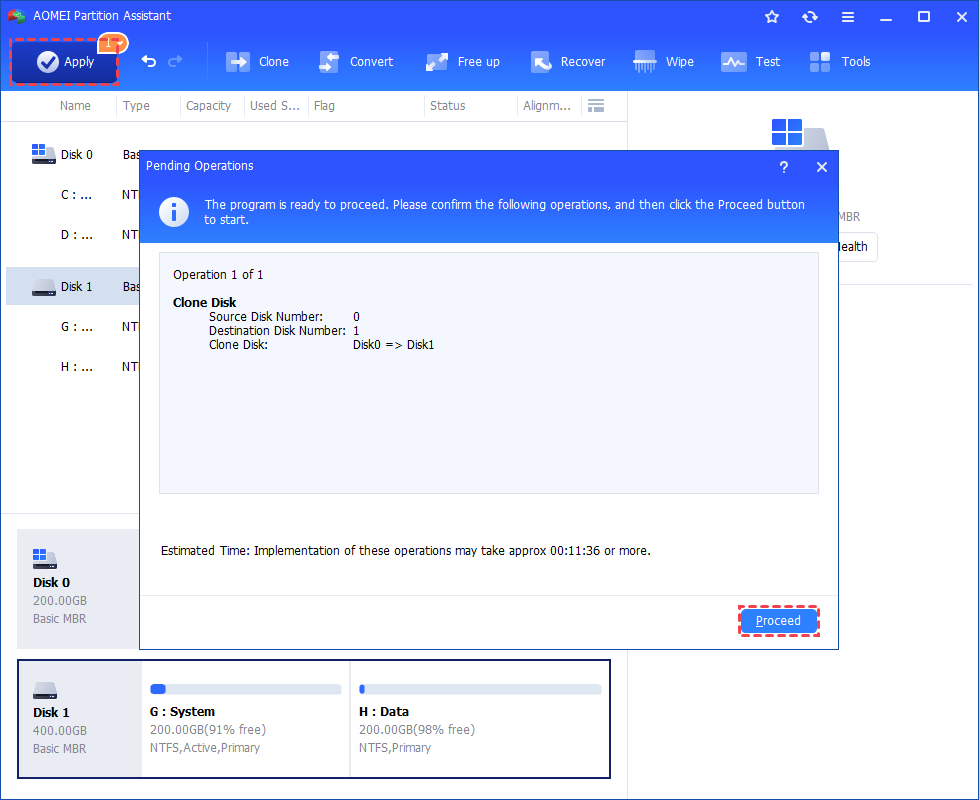
Step 5. After returning to the main interface, check the pending operation and click "Apply" and "Proceed" to commit the operation.
Conclusion
Traditional HDDs offer large storage space and act as the primary hub for your data. Over time, however, they tend to slow down, leading to performance issues, data loss, or even system failures. Upgrading to an SSD is a smarter choice, as it delivers faster speeds, higher efficiency, and improved reliability compared to an HDD.
For a smooth transition, using a professional cloning tool is essential. AOMEI Partition Assistant is an excellent option to safely clone your old HDD to a new SSD, allowing you to enjoy a faster and more responsive system without losing any of your existing data.