
 PartitionAssistant Cleanup


How to Delete Large File in Windows 10 to Free Up Space?
In this passage, you can learn to delete large files in Windows 10. With 3 methods, you can effectively find and delete large files on PC to free up space.

By AOMEI / Updated on July 9, 2025


User case: How do I delete large files in Windows 10?
" My computer is getting slower and it seems to be full of large files and programs. But I don't know what large files are stored in the computer. How do I delete large files in Windows 10? Is there any good way to help me find and safely delete unwanted large files from my computer? Looking forward to your help."
Why should you delete large files in Windows 10?
Over time, your computer can accumulate a variety of large files that are no longer needed—such as outdated downloads, forgotten videos, temporary files, or backup files. These files can quietly consume a significant portion of your hard drive space, causing there is not enough space on the hard drive and lead to noticeable performance issues, especially on the system disk (usually the C: drive). Therefore, it’s important to regularly check and remove unnecessary large files to maintain your computer’s health and efficiency. It brings several key benefits:
👌Avoid System Crashes: Critically low disk space can cause system instability, potentially leading to freezing, system keeps crashing, or even failure to boot.
👌Facilitate Software Updates: Windows updates often require several gigabytes of free space. If your drive is full, updates may fail to install.
👌Better File Organization: Deleting large, unnecessary files helps keep your storage clean and makes it easier to manage and locate important documents.
Now that you know why it's important to remove large files, the next step is to find out how to find and delete them.
🔥The best way to find and delete large files on PC
Although the methods recommended online can help you delete large files on Windows 10 to some degree, they generally have some limitations, especially for Windows built-in tools. For example, you need to manually find and remove files one by one, which can be time-consuming. More importantly, if you’re not familiar with the file types, you might accidentally delete important system files. This could cause your computer to stop working properly. To avoid these problems and make the process easier, it's recommended to use PartitionAssistant Cleanup, which is compatible with Windows 11, 10, 8/8.1, and 7.
This powerful and user-friendly tool includes a "Delete Large Files" feature that can automatically scan your disks or folders and list all files larger than 16MB. Files that may affect system stability are marked in red, so you can handle them with care. Once you’ve reviewed the files, you can remove them with just one click—simply hit "Delete Now".
 PartitionAssistant Cleanup
The Best Windows Disk Partition Manager and PC Optimizer
-
PC Cleaner: Helps clean junk files and free up space quickly.
-
Data Recovery: Lets you recover files if you accidentally delete something important.
Let’s now take a look at how to use AOMEI Partition Assistant to scan and delete large files on Windows 10.
Step 1. Install and launch PartitionAssistant Cleanup. Click the "Delete Large Files" tab.
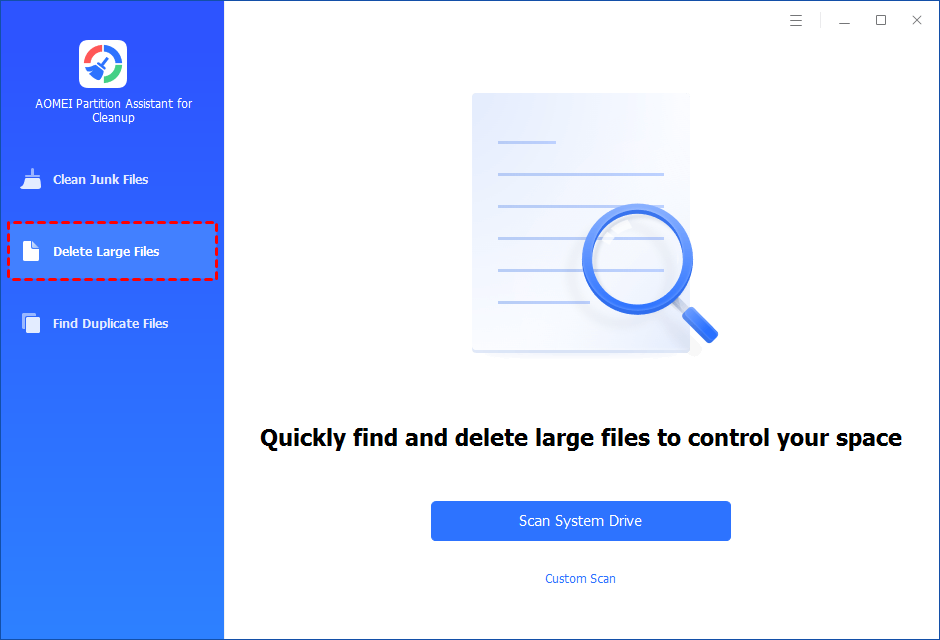
Step 2. You can either click "Scan System Drive" to start the scan of your system C: drive. Or, click "Custom Scan" to manually select paths to be scanned. (Here, we take the "Custom Scan" as an example.)
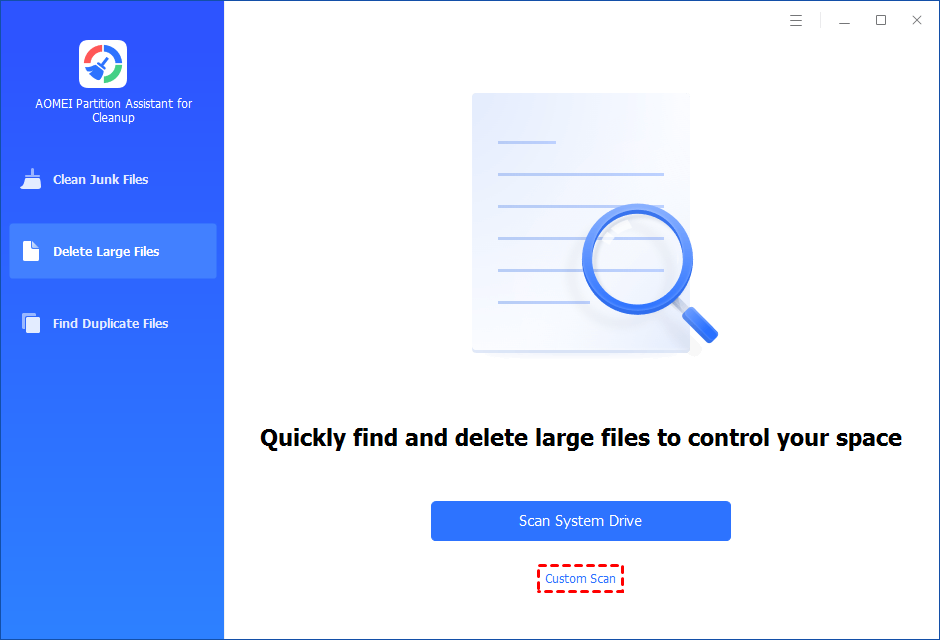
Step 3. After clicking "Custom Scan", all local and external drives on your PC and the common Desktop, Documents, and Downloads paths will be displayed. You can manually select paths to be scanned. Once necessary paths are added, you can click the "Scan Now" button to start the scan process.

Step 4. The scan process might take time. After the scan is complete, all large files found will be listed.
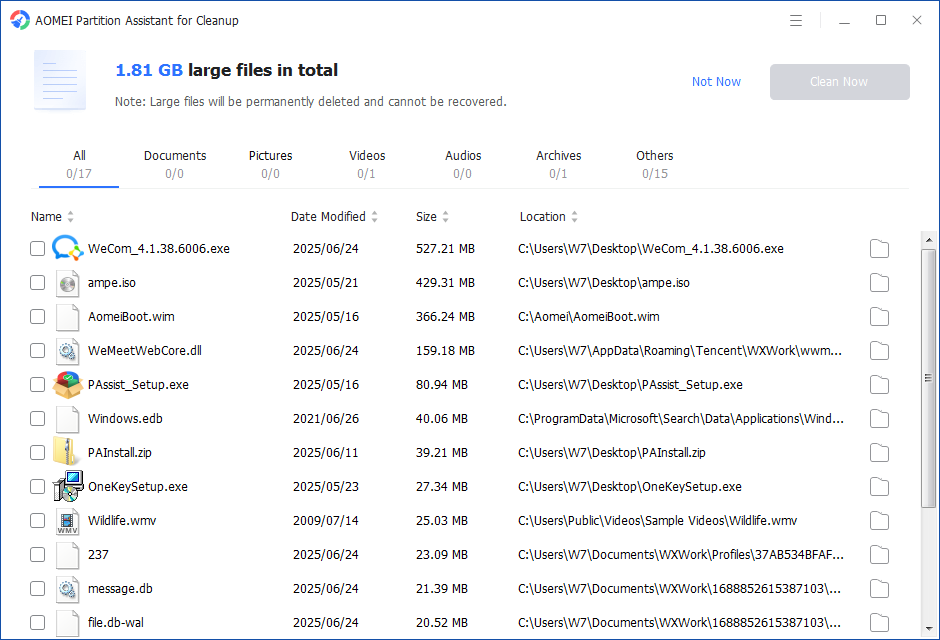
Step 5. You can also check the large files and click the button behind to locate them.
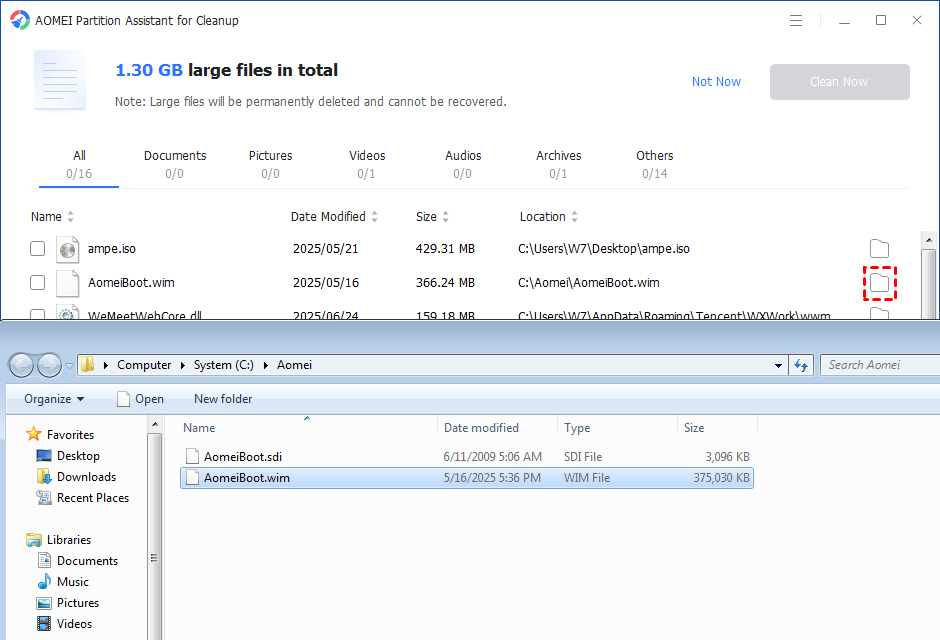
Step 6. Tick the files you want to delete, and then click the "Clean Now" button to start the deletion.
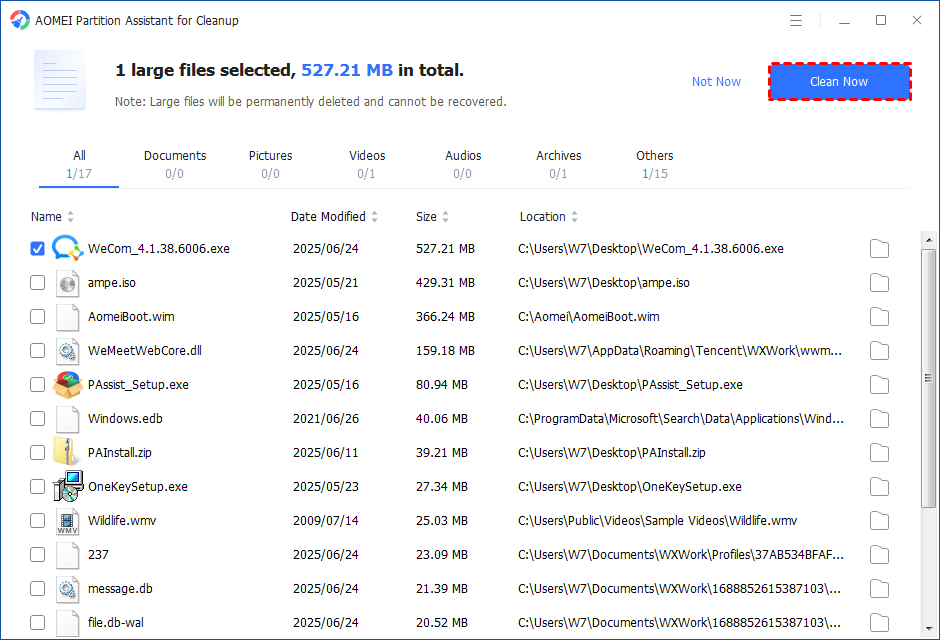
Step 7. The deletion might take time. After the process is finished, the selected files will be deleted, and you will get a cleaning completed window displaying how much data you deleted in total.
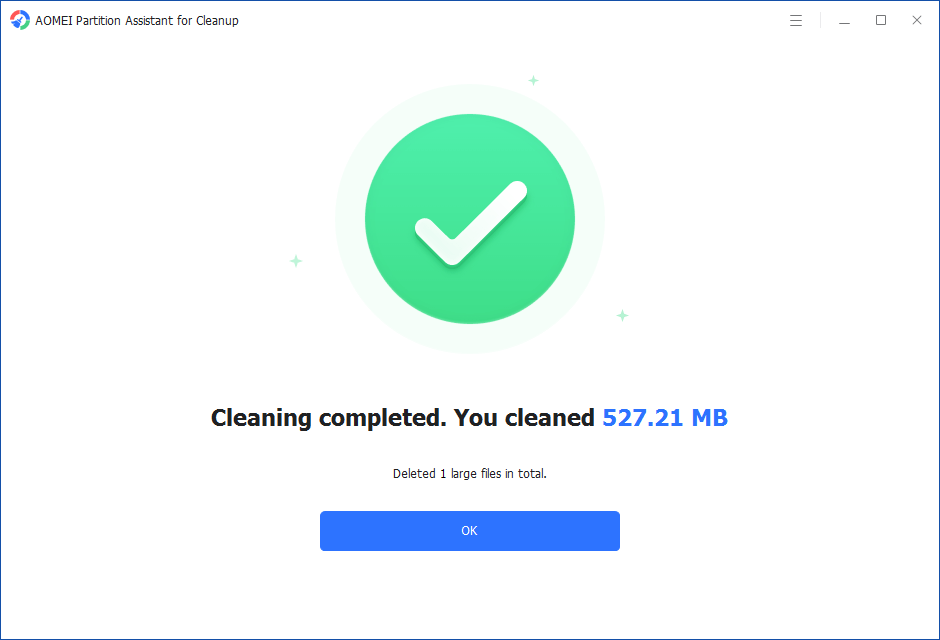
Step 5. Just for a while, the large files will be deleted successfully, and then you will see a warm notification suggesting you clean up your PC regularly.
How to delete large files on Windows 10 with built-in tools?
If you prefer to use Windows built-in tools and don't mind spending time and effort, the following 2 methods can also help you delete large files in Windows 10.
│Method 1. Delete large files with File Explorer
File Explorer is the basic tool for viewing and managing files in Windows system. It can help you move files, change file names, etc. Please follow the steps below to learn how to find and delete large files on PC.
Step 1. Press the "Win + E" key to open the File Explorer.
Step 2. Click "This PC" in the left taskbar, after entering the new interface you can input the size in the search box. (This operation allows you to find files based on their size, then you can delete large files that are found.)
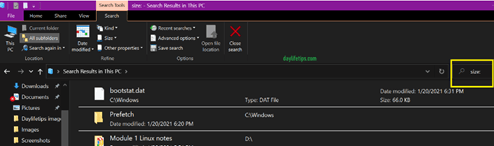
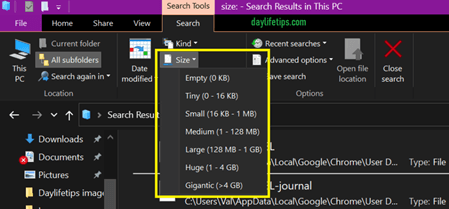
Step 3. After you type in the size, many options will appear to help you filter your files.
Step 4. You can also click "Details" to find out which large files can be deleted without causing any problems to your computer.

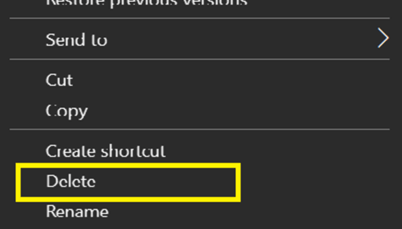
Step 5. After identifying the target large files, right-click each and select "Delete".
│Method 2. Delete large files with Windows Storage Settings
Likewise, here's another method you can help Windows 10 find large files to delete manually. Please read the following carefully for details steps on how to delete large files on Windows 10 with Windows Storage settings.
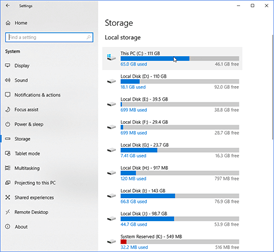
Step 1. Type "Setting" in the "Start" search box and press "Enter", then type "Storage" in the new window.

Step 2. Here you can see the space usage of your local drive, then click Drives with more space usage.
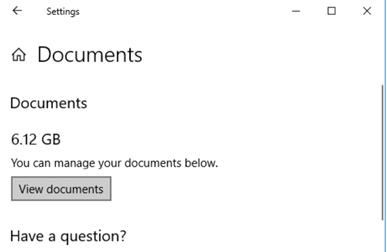
Step 3. Open "Documents" in the new interface, and click "View Documents" to view useless large files.
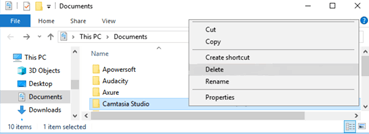
Step 4. After finding unnecessary large documents, right-click and select "Delete" to delete these annoying large files.
Conclusion
In this post, we share three ways to delete large files on Windows 10. In contrast, AOMEI Partition Assistant is obviously your best companion because it is both safe and labor-saving. This almighty software can also help you allocate free space, move applications to another drive, etc.
